Veggie-Loaded Sushi Rolls
Highlighted under: Fit Food Recipes
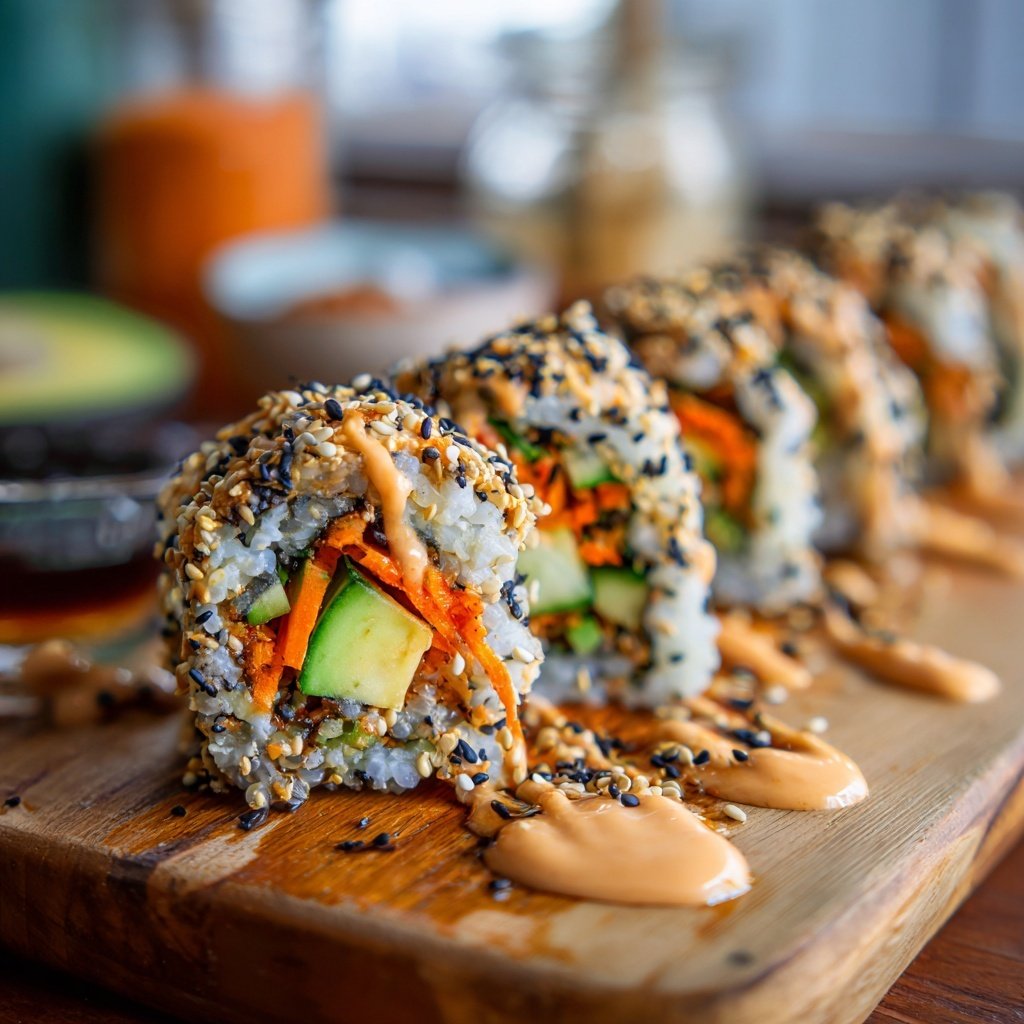
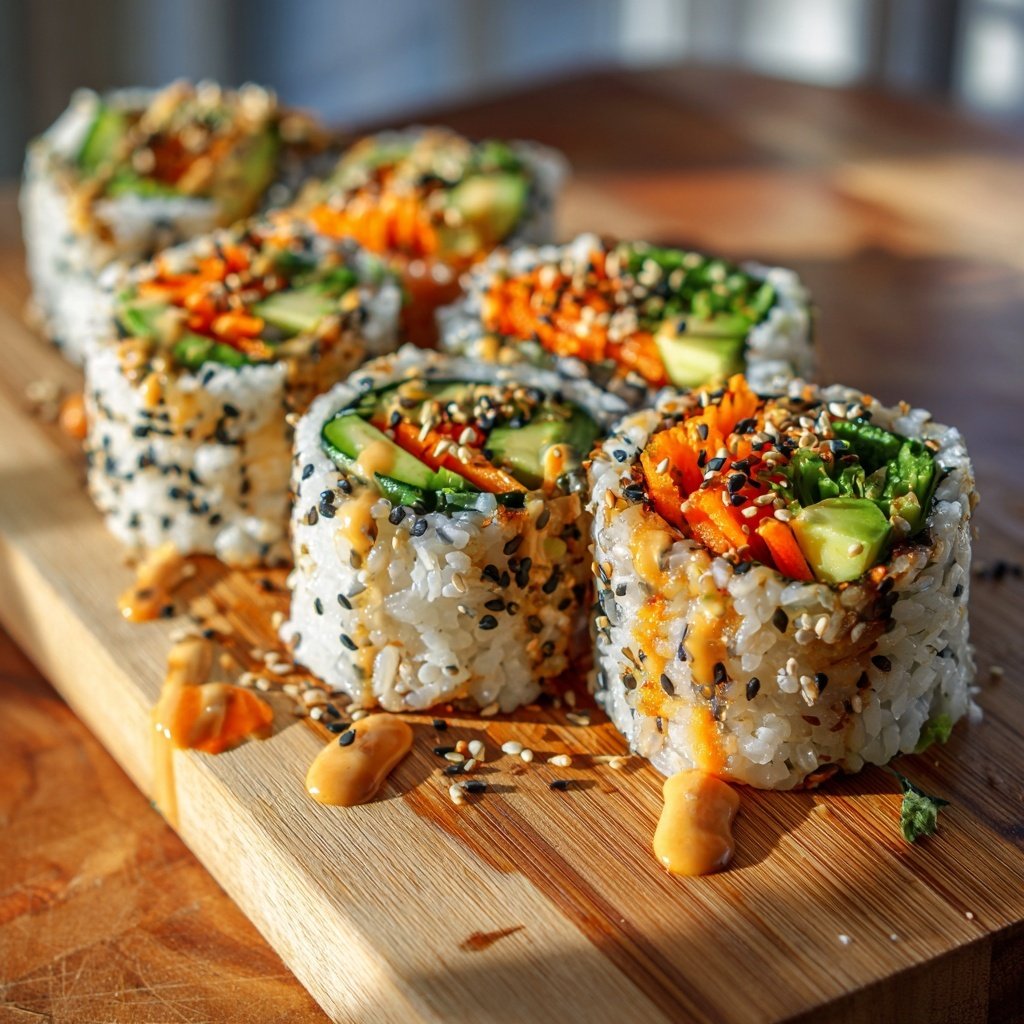
I absolutely love making Veggie-Loaded Sushi Rolls at home, and it's become a fun weekend tradition for my family. We gather around the kitchen table, preparing colorful vegetables and mastering the art of sushi rolling together. The combination of crunchy veggies and creamy avocado wrapped in perfectly seasoned rice is not only delicious but also a healthier alternative to standard sushi. Plus, I love that I can customize these rolls to suit everyone's tastes, making it a delightful meal that caters to all preferences!
When I first attempted to make sushi at home, I was overwhelmed but excited. After several trials, I discovered that the secret to perfect sushi rolls lies in the right balance of ingredients and a gentle hand while rolling. The fresh, vibrant vegetables add a variety of textures and flavors that make each bite a delight. Plus, practicing different rolling techniques has become a family favorite activity that keeps us laughing and learning together.
One important tip I've learned is to ensure that the rice is sticky enough to hold the rolls together. I always rinse the rice thoroughly before cooking and let it cool slightly before assembling. This technique guarantees that the rice binds nicely, making it easier to slice through the rolls. There's nothing better than enjoying sushi that we made ourselves, with a personal twist!
Why You'll Love These Sushi Rolls
- A colorful medley of fresh veggies packed with nutrients.
- Customizable flavors for everyone’s palate.
- No cooking required, making prep easy and quick.
Mastering the Art of Rolling
Rolling sushi can seem daunting at first, but with a little practice, you'll find it enjoyable. A bamboo sushi mat is crucial for achieving tightly rolled sushi. When rolling, remember to apply gentle, even pressure while moving the mat. Use your fingers to tuck the filling in as you roll. If you find the roll is falling apart, it may be due to too little rice or not enough pressure. Over time, you'll develop your technique, and each roll will become a work of art.
One of the great advantages of sushi rolling at home is that you control the filling. While this recipe highlights fresh vegetables, try adding cooked shrimp or crab for extra protein, or even a tangy cream cheese spread. Keeping the fillings balanced, so the rolls aren't overloaded, will help maintain their shape during the rolling process. Generally, use about a half-cup of fillings per roll, but feel free to adjust as desired.
Perfecting the Rice
The sushi rice is the heart of your rolls, so getting it right is essential. Rinsing the rice thoroughly removes excess starch, preventing it from becoming gummy. Use a fine mesh strainer and rinse until the water runs clear, which takes about 2-3 minutes. After cooking, let the rice cool for ten minutes before seasoning it with vinegar, sugar, and salt—this not only adds flavor but also achieves the glossy finish that's signature to sushi rice.
If you don't have a rice cooker, you can cook the sushi rice in a pot. Use the same water-to-rice ratio and bring it to a boil, then reduce to low heat, cover, and simmer for about 20 minutes. The key is to let it steam after cooking for another ten minutes without lifting the lid, which helps enhance the texture. For a twist, try mixing in a dash of sesame oil for additional flavor.
Storage and Serving Suggestions
If you plan to make sushi ahead of time, the best way to store it is loosely wrapped in plastic wrap and kept in the fridge for up to 24 hours. Keep in mind the vegetables may lose some crunch, so it's best enjoyed fresh. Serve with soy sauce, pickled ginger, and wasabi to balance the flavors. For a complete sushi experience, pair your rolls with Japanese tea or sake.
Feel free to experiment with additional accompaniments. A side salad with sesame dressing or edamame can elevate your meal to a delightful feast. If you're feeling adventurous, consider creating a sushi bowl by slicing the ingredients into smaller pieces and serving them over seasoned rice for a quick and healthful option.
Ingredients
Gather your ingredients to start rolling!
Sushi Ingredients
- 1 cup sushi rice
- 1 1/4 cups water
- 2 tablespoons rice vinegar
- 1 tablespoon sugar
- 1 teaspoon salt
- 4 sheets nori (seaweed)
- 1 small cucumber, julienned
- 1 large carrot, julienned
- 1 avocado, sliced
- 1 bell pepper, thinly sliced
- Soy sauce, for serving
Make sure to keep your ingredients fresh for the best flavors!
Instructions
Here’s how to roll your sushi!
Prepare the Rice
Rinse the sushi rice under cold water until the water runs clear. Combine the rice and water in a rice cooker and cook according to the manufacturer's instructions. Once cooked, let it cool slightly, then mix in rice vinegar, sugar, and salt.
Prepare the Vegetables
While the rice is cooking, julienne the cucumber and carrot, and slice the avocado and bell pepper. Keep the vegetables neatly arranged for easy assembly.
Roll the Sushi
Place a sheet of nori on a bamboo sushi mat, shiny side down. With wet hands, spread an even layer of rice over the nori, leaving about an inch at the top. Arrange the vegetables in a line in the center of the rice. Gently roll the mat away from you, pressing firmly but not too tightly. Seal the edge of the nori with a bit of water.
Slice and Serve
Using a sharp knife, slice the sushi roll into 6-8 pieces. Wipe the knife with a damp cloth between cuts to keep the roll intact. Serve with soy sauce for dipping.
Enjoy your homemade sushi rolls with friends and family!
Pro Tips
- Experiment with different vegetables. Snap peas, radishes, or cooked shrimp can add unique flavors and textures to your sushi rolls.
Tips for Customization
Getting creative with your veggie-loaded sushi means you can tailor each roll to individual preferences. Consider incorporating seasonal vegetables like asparagus in spring or daikon radish in winter to keep things fresh. If you want to cater to different dietary restrictions, make use of cooked options such as tempura vegetables or grilled tofu, which add a lovely texture and flavor while remaining plant-based.
For those who prefer a spicy kick, adding a smear of sriracha or wasabi to the filling will transform your sushi experience. When rolling for kids, think about using colorful bell peppers and carrots, emphasizing a fun presentation that invites them to enjoy healthy food. I often let my kids pick their own favorite fillings which makes the entire experience more interactive.
Troubleshooting Common Issues
If your sushi rolls end up breaking apart when cutting, it might indicate that the rice hasn’t been spread evenly or that you’ve used too much filling. Adjusting the amount of rice to around two cups per roll can create better structural integrity. Additionally, when slicing, always use a sharp and moist knife to avoid squishing the roll, which could also lead to a messy presentation.
Another common issue is that the nori might feel tough or chewy. This could be because of an older package or improper storage. For a more tender nori, quickly toast the sheets over a flame or in a hot pan for just a few seconds before rolling. This will enhance its flavor and texture, making your sushi experience even more enjoyable.
Questions About Recipes
→ Can I use brown rice instead of sushi rice?
Yes, brown rice is a healthier option, but it may be less sticky than white sushi rice.
→ How do I store leftover rolls?
Wrap them tightly in plastic wrap and refrigerate them. Consume within a day for the best quality.
→ Can these rolls be made vegan?
Absolutely! Just stick with plant-based ingredients and avoid any fish or fish sauce.
→ What can I serve with sushi rolls?
Traditional soy sauce, pickled ginger, and wasabi are excellent accompaniments.
Veggie-Loaded Sushi Rolls
Created by: The Chefisabelfoods Team
Recipe Type: Fit Food Recipes
Skill Level: Beginner
Final Quantity: 4 rolls
What You'll Need
Sushi Ingredients
- 1 cup sushi rice
- 1 1/4 cups water
- 2 tablespoons rice vinegar
- 1 tablespoon sugar
- 1 teaspoon salt
- 4 sheets nori (seaweed)
- 1 small cucumber, julienned
- 1 large carrot, julienned
- 1 avocado, sliced
- 1 bell pepper, thinly sliced
- Soy sauce, for serving
How-To Steps
Rinse the sushi rice under cold water until the water runs clear. Combine the rice and water in a rice cooker and cook according to the manufacturer's instructions. Once cooked, let it cool slightly, then mix in rice vinegar, sugar, and salt.
While the rice is cooking, julienne the cucumber and carrot, and slice the avocado and bell pepper. Keep the vegetables neatly arranged for easy assembly.
Place a sheet of nori on a bamboo sushi mat, shiny side down. With wet hands, spread an even layer of rice over the nori, leaving about an inch at the top. Arrange the vegetables in a line in the center of the rice. Gently roll the mat away from you, pressing firmly but not too tightly. Seal the edge of the nori with a bit of water.
Using a sharp knife, slice the sushi roll into 6-8 pieces. Wipe the knife with a damp cloth between cuts to keep the roll intact. Serve with soy sauce for dipping.
Extra Tips
- Experiment with different vegetables. Snap peas, radishes, or cooked shrimp can add unique flavors and textures to your sushi rolls.
Nutritional Breakdown (Per Serving)
- Calories: 250 kcal
- Total Fat: 7g
- Saturated Fat: 1g
- Cholesterol: 0mg
- Sodium: 45mg
- Total Carbohydrates: 42g
- Dietary Fiber: 5g
- Sugars: 2g
- Protein: 6g